The 6 Looks That Owned Fashion Week 2026
- Jovon Pavielle

- Feb 26
- 3 min read
Fashion Week isn’t just about hems, silhouettes, or what buyers will stock next season—it’s where celebrity identity meets designer storytelling. This year’s circuit—from New York to London to Paris—blurred runway and real life, proving that front-row fashion is just as influential as what walks the catwalk.
Here are six looks that didn’t just show up—they shifted the conversation.
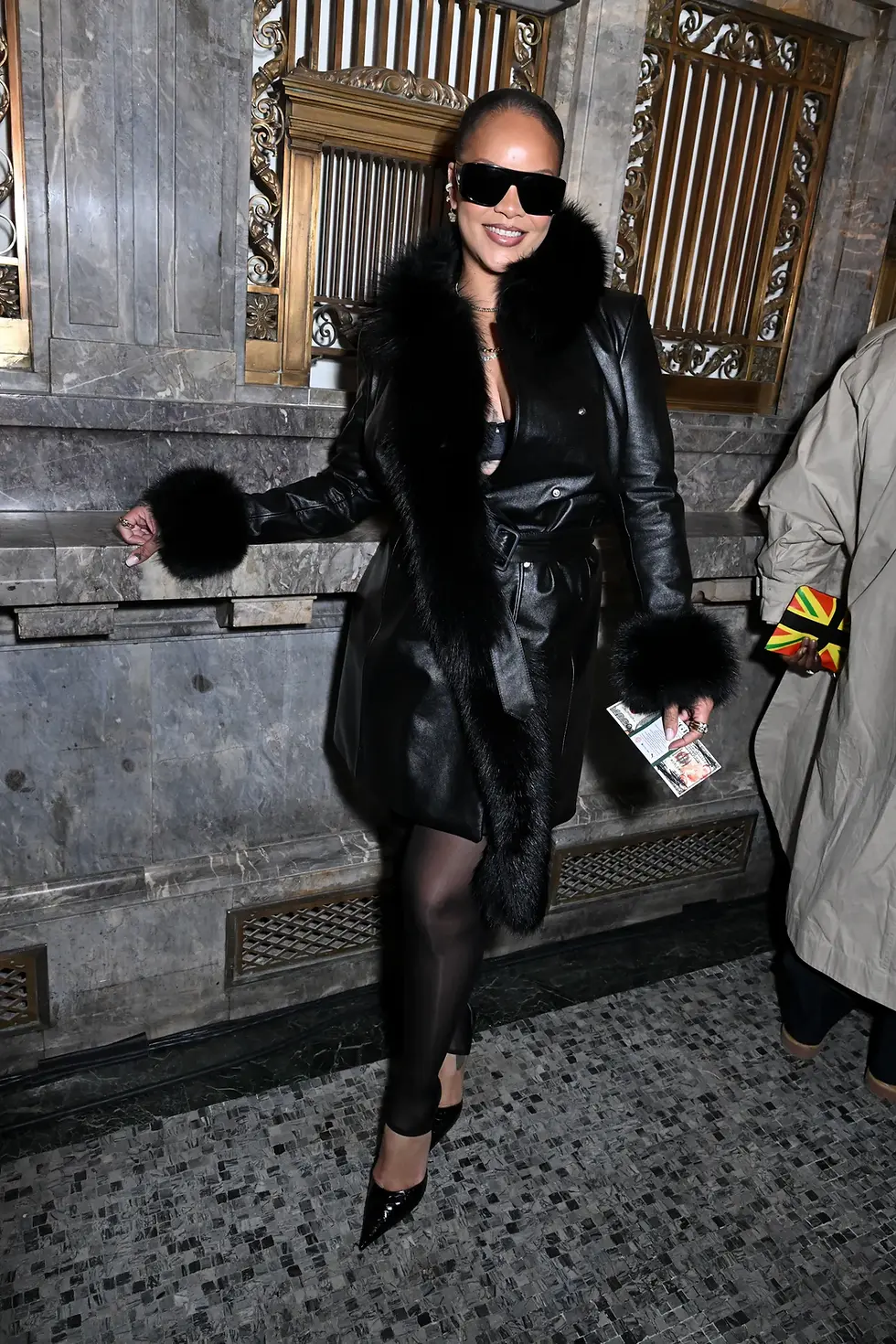
1. Rihanna: Modern Retro With Authority
Rihanna delivered a masterclass in nostalgia-meets-now, stepping out in a belted leather jacket layered with statement jewelry and styling details that nodded to early-2000s fashion. The look reinforced why the duo remains one of fashion’s most influential cultural forces, with Rihanna even wearing a fur-trimmed jacket fresh off the runway.
Why it mattered: This wasn’t just a celebrity appearance—it was a reminder that fashion authority has shifted from ateliers to personalities who embody the clothes.
📸 :Getty Photos
2. Lily Collins’ Beaded Fringe Moment: Movement Is Back
A hot-pink fringe top at the Calvin Klein show became one of the week’s most circulated visuals, pairing theatrical texture with tailored restraint.
Why it mattered: After seasons of minimalism, designers are reintroducing kinetic fashion—pieces that move, shimmer, and demand attention.

📸 :Getty Photos
3. Anne Hathaway: Sheer Drama Meets Classic Glamour
Anne Hathaway turned heads at the Ralph Lauren presentation in a sheer lace look that balanced structure with softness, creating one of the most talked-about front-row moments of the week.
The outfit captured Fashion Week’s current obsession with transparency and layered texture—an aesthetic echoed across multiple designers this season.
Why it mattered: Fashion Week reaffirmed that heritage elegance still sells—especially when sharpened with contemporary structure.

📸 :Getty Photos
4. Jodie Turner-Smith: Retro Glamour With Edge
Jodie Turner-Smith delivered one of the week’s most talked-about appearances, leaning into architectural tailoring, bold structure, and rich fabrications that felt equal parts regal and futuristic. Known for taking risks, she chose sharp lines, defined shoulders, and intentional monochrome styling—allowing silhouette and presence to command attention rather than relying on embellishment.
Why it mattered: Turner-Smith continues to champion fashion as narrative. Her look underscored a major FW26 theme: garments designed not just to be worn, but to project identity, confidence, and cinematic drama in real-world spaces.

📸 :Getty Photos
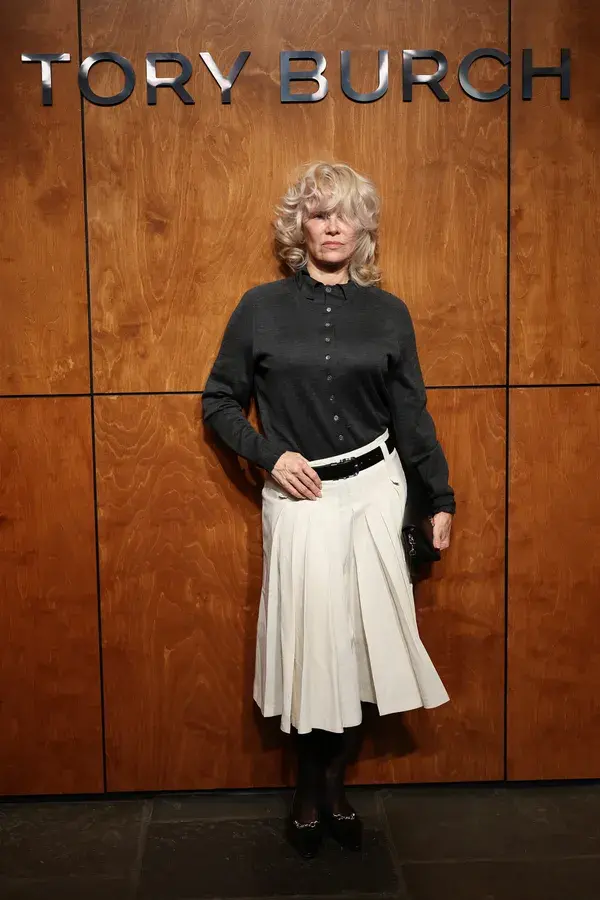
5. Pamela Anderson’s Minimalist Reset
At Tory Burch, Anderson paired monochrome separates with a dramatic haircut, letting silhouette and persona do the talking.
Why it mattered:This season emphasized identity styling—less about excess, more about editing.
📸 :Getty Photos
6. The Street-Style Trends Themselves Became the Star
Across New York and London, editors observed recurring motifs:
Strategic pops of red used as focal accents.
Sharp, pointed footwear dominating silhouettes.
A surge in monochromatic black styling layered through texture rather than color.
Why it mattered: The takeaway wasn’t a single designer—it was a styling philosophy: intentional simplicity with one disruptive element.
The Bigger Takeaway: Fashion Week Is Now a Cultural Stage
Today’s Fashion Week isn’t just about designers unveiling collections—it’s a collision of celebrity, storytelling, and social influence. The line between runway and sidewalk has dissolved, with star appearances shaping how trends travel from atelier to algorithm.
From sheer romanticism to metallic shine, from reworked tailoring to bold color statements, the Fall/Winter 2026 season leaned into reinvention rather than nostalgia alone.
If this year proved anything, it’s this: Fashion no longer trickles down—it broadcasts instantly, worn first by cultural figures who turn attendance into authorship.




Comments