The Comeback Era: Why 90s and Early 2000s Aesthetics Are Taking Over Again
- HausHill Media

- Mar 22
- 2 min read




We’ve Seen This Before… And That’s the Point
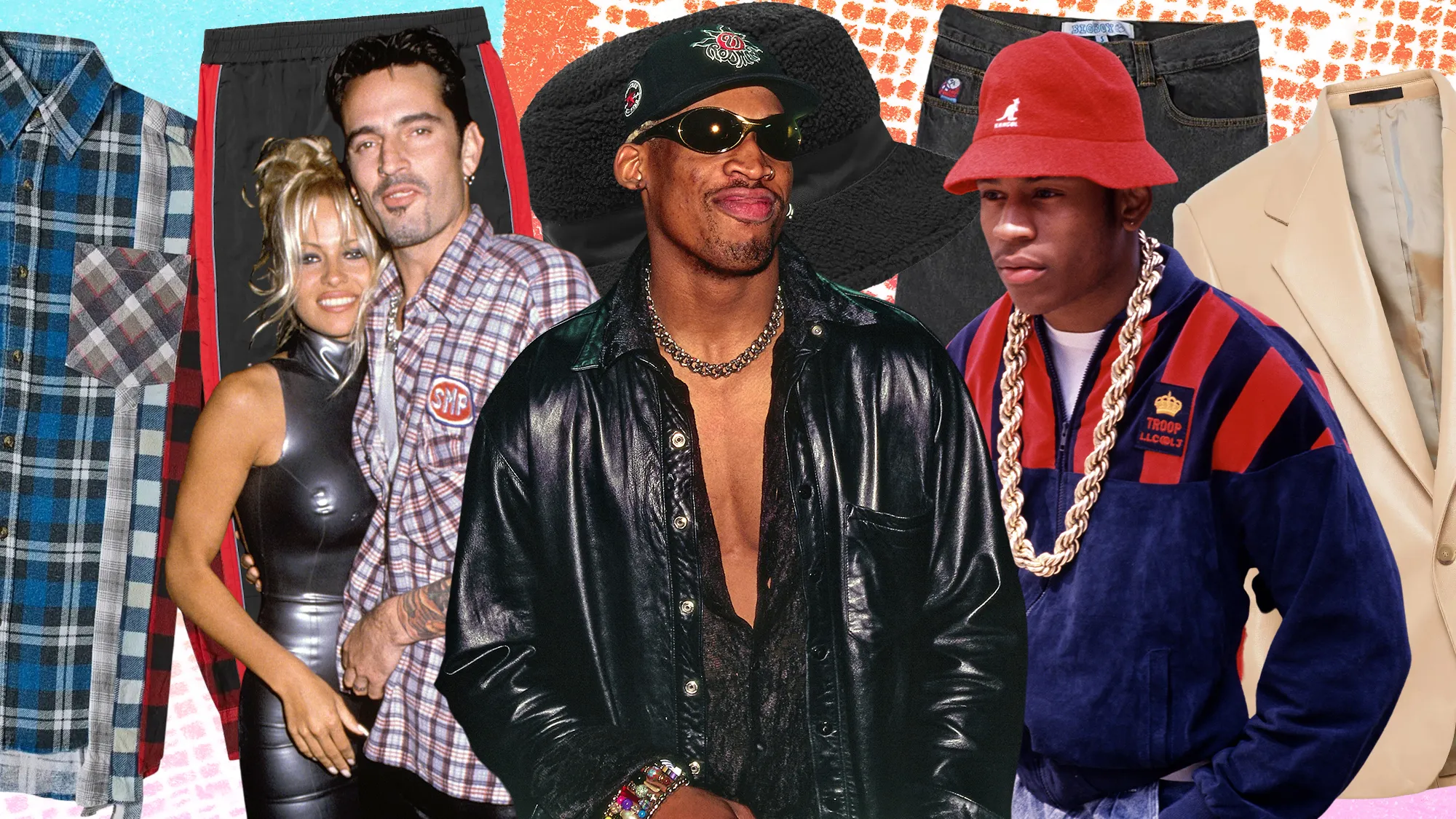
Walk into any store, scroll through social media, or turn on a music video—and it’s clear:the 90s and early 2000s are back.
Baggy jeans. Baby tees. Chrome textures. Grainy visuals. Flip phones (yes, even those).
What once felt outdated now feels essential.
But this isn’t just about fashion recycling itself. This is about culture circling back to a feeling people didn’t realize they missed.
The Aesthetic of Simplicity in a Complicated World
The 90s and Y2K eras represent something deeper than style—they represent a pre-digital overload era.
Before:
Endless notifications
Algorithm-driven identity
Hyper-curated online personas
There was a sense of unfiltered living.
That’s why the return of:
Disposable camera aesthetics
Lo-fi visuals
Casual, imperfect fashion
…feels refreshing today.
It’s not just nostalgia.It’s relief.
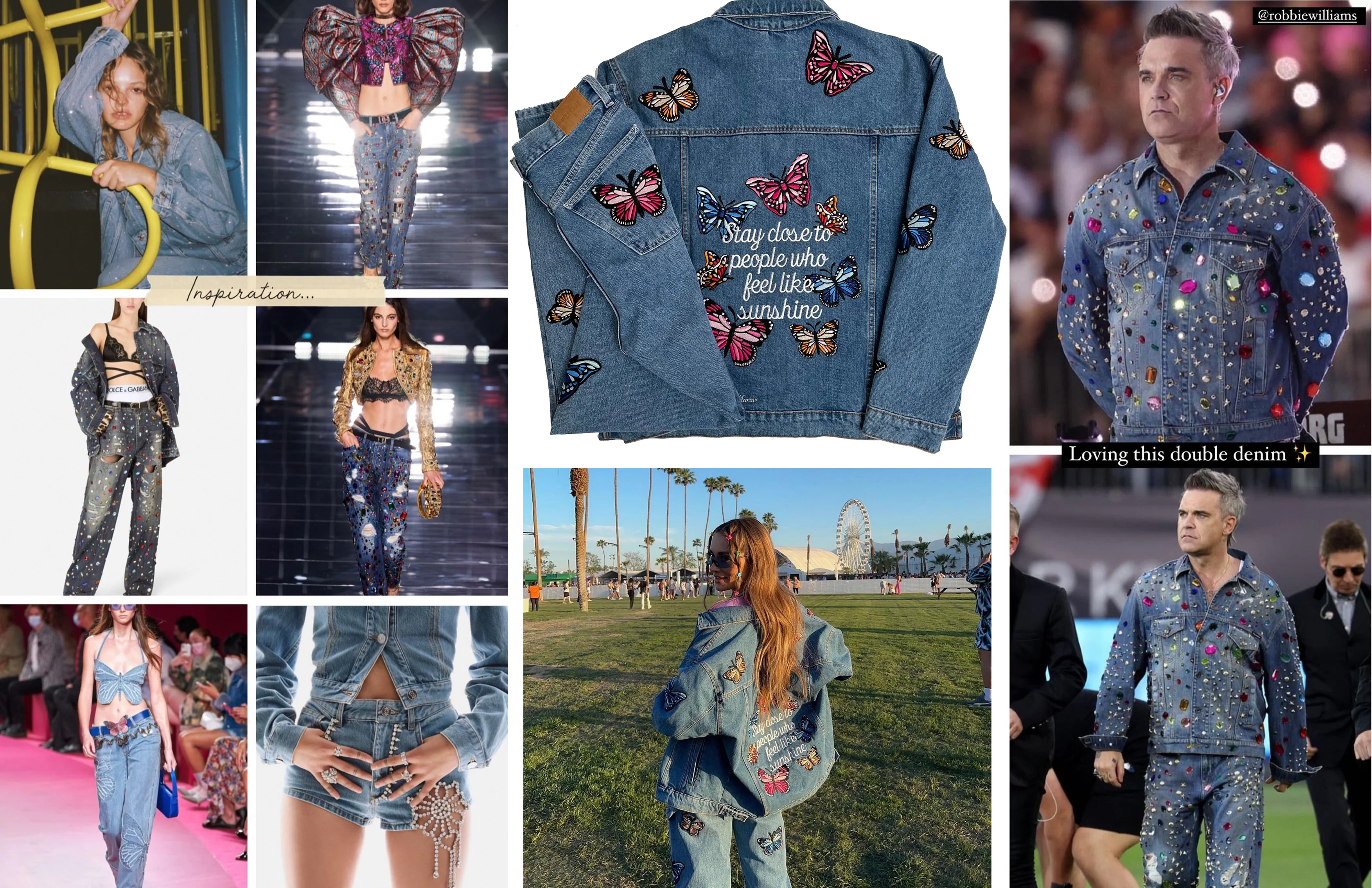
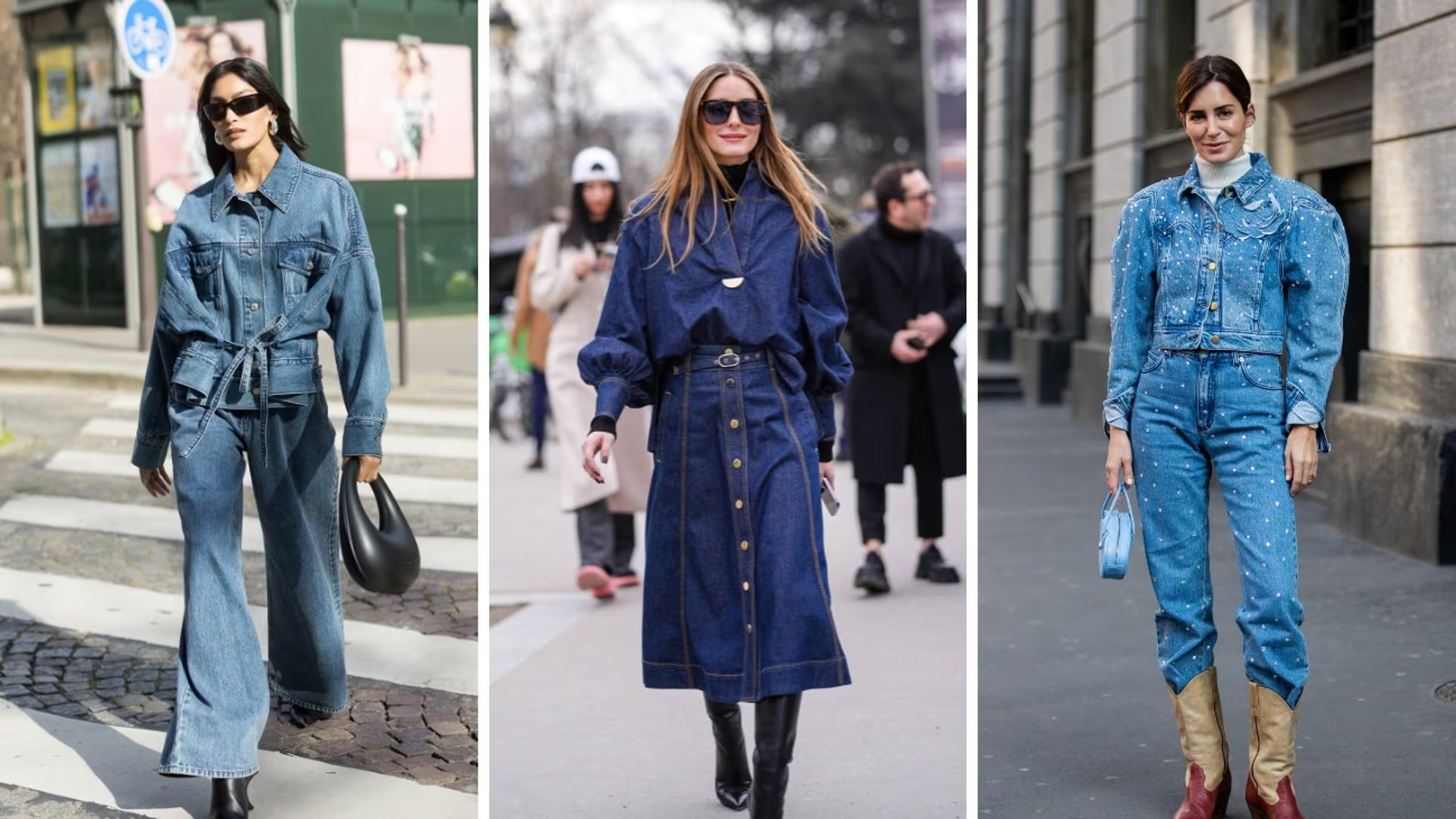
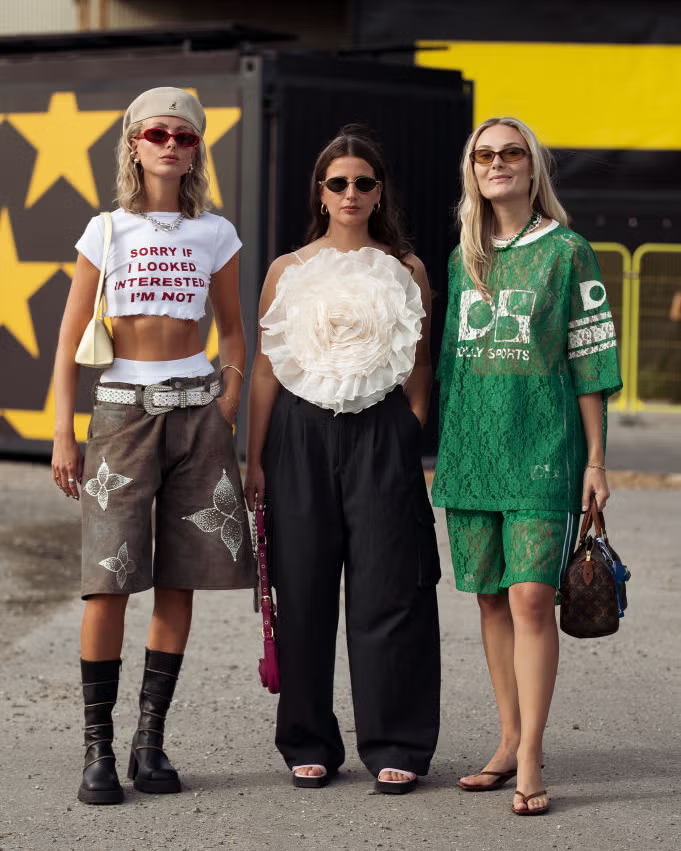


Fashion: From Oversized to Over-It
Modern fashion is embracing what used to be considered “too much” or “too casual”:
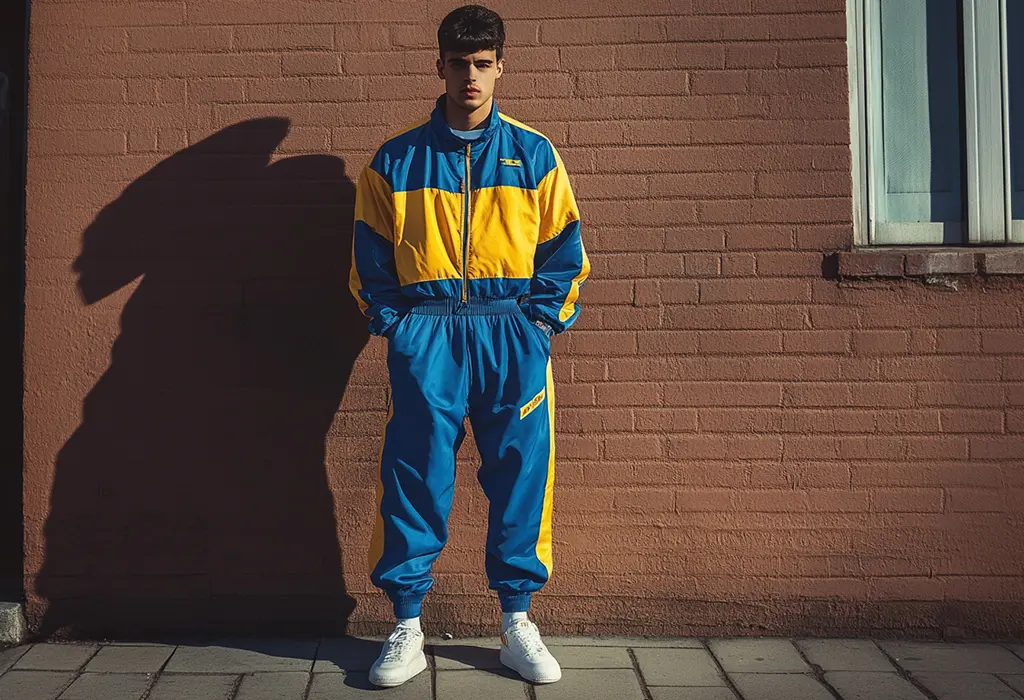
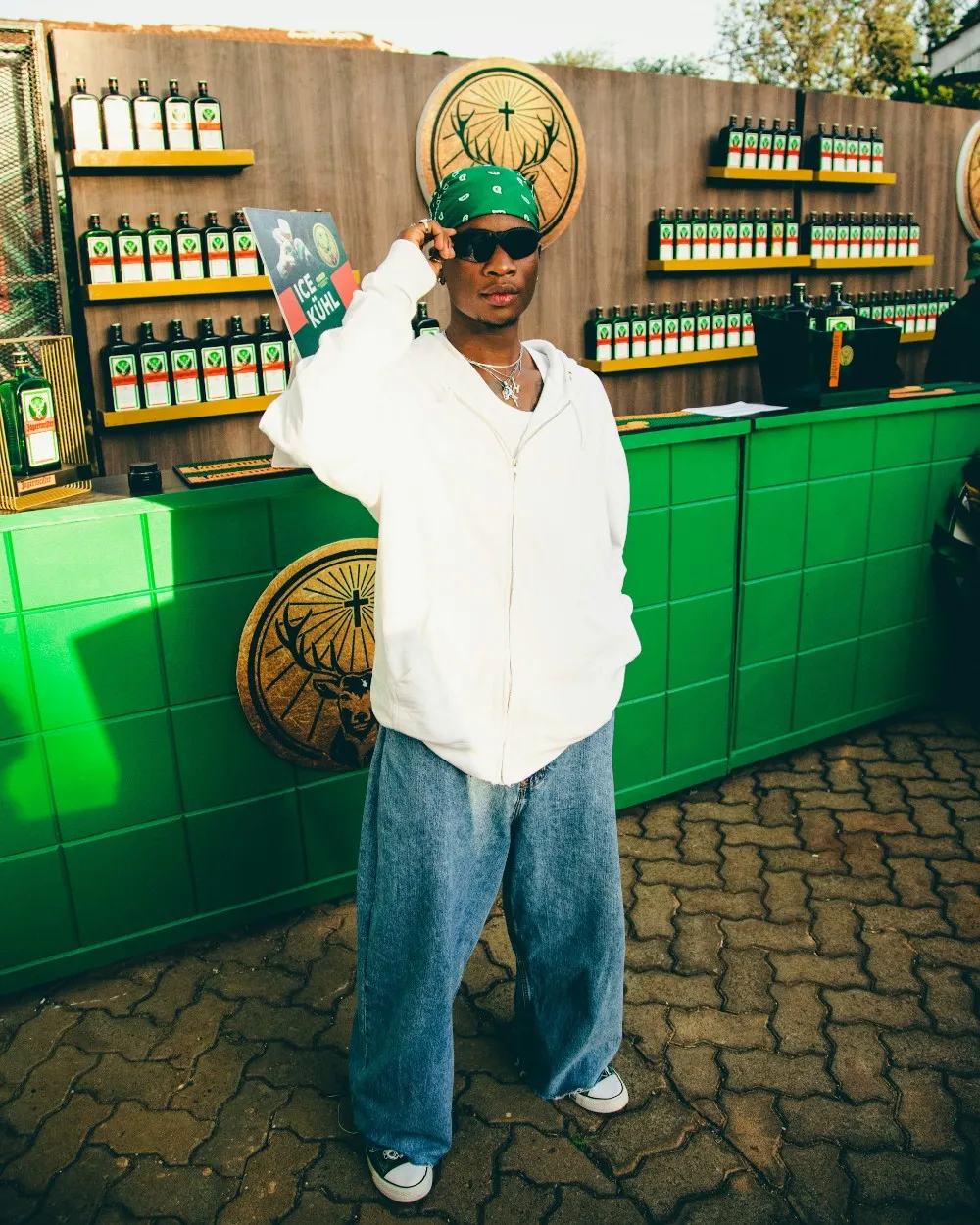
Oversized silhouettes
Low-rise jeans and crop tops
Tracksuits and chunky sneakers
Brands are leaning into it, but more importantly—people are owning it.
There’s less pressure to look “perfect” and more freedom to look expressive.

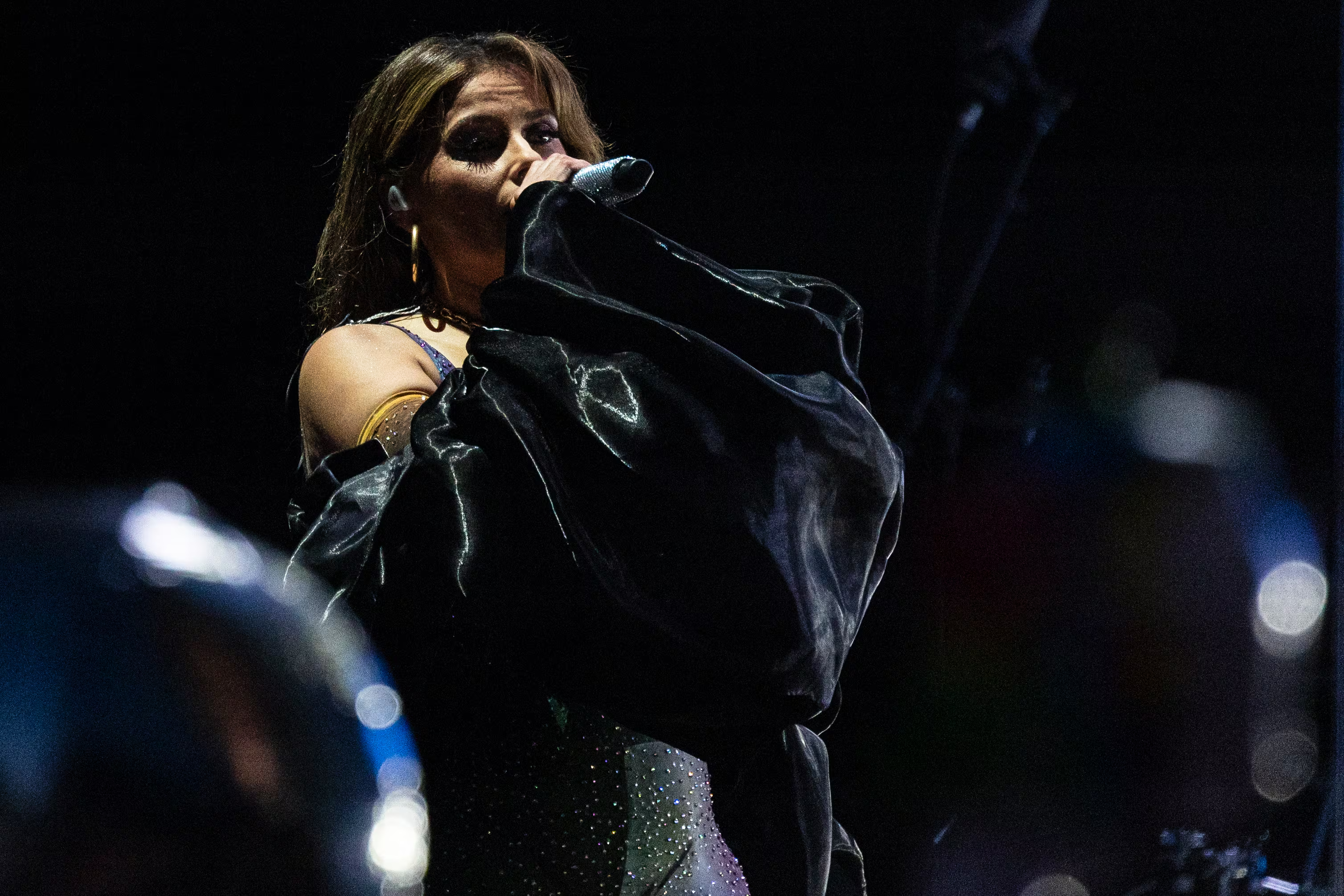
Music: The Return of a Vibe
Sonically, the influence is just as strong:
R&B grooves inspired by 90s legends
Early 2000s pop production styles
Heavy use of nostalgia-driven samples
Platforms like TikTok amplify this by reviving older songs and aesthetics for new audiences.
What’s happening isn’t imitation—it’s reinterpretation.


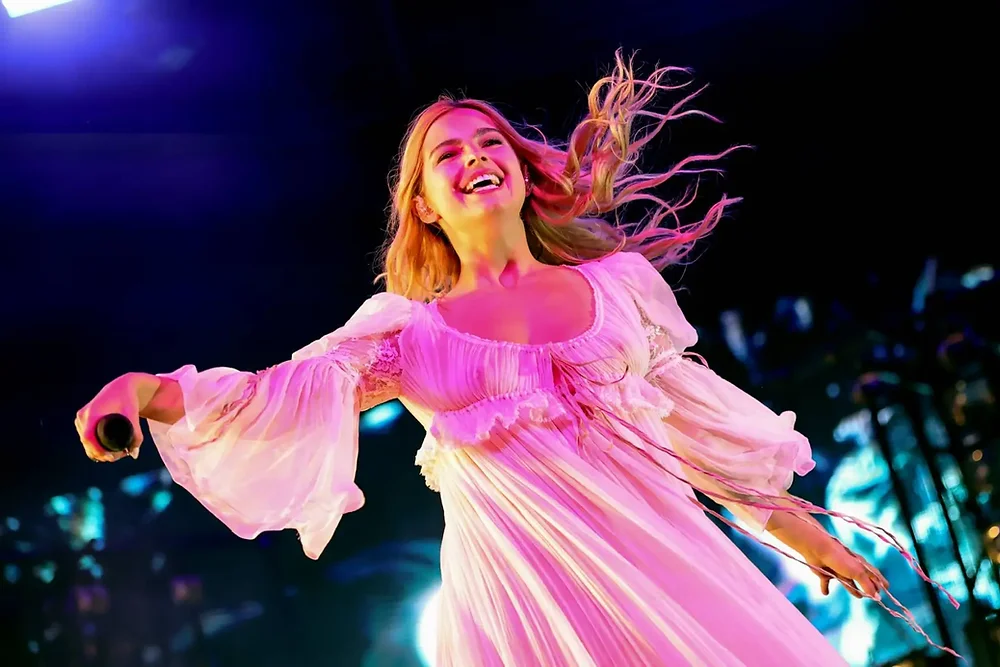
Media & Visual Culture: Imperfection Is the New Premium
High-definition used to be the goal.Now? People are intentionally making things look worse—and loving it.
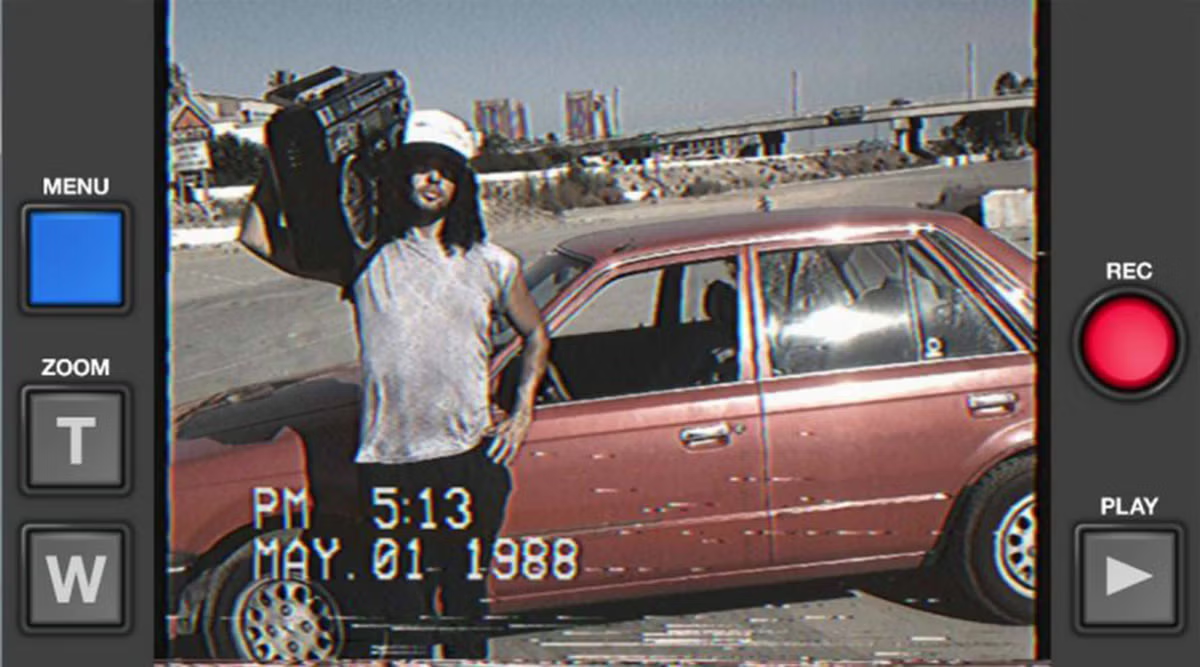
VHS filters
Flash photography
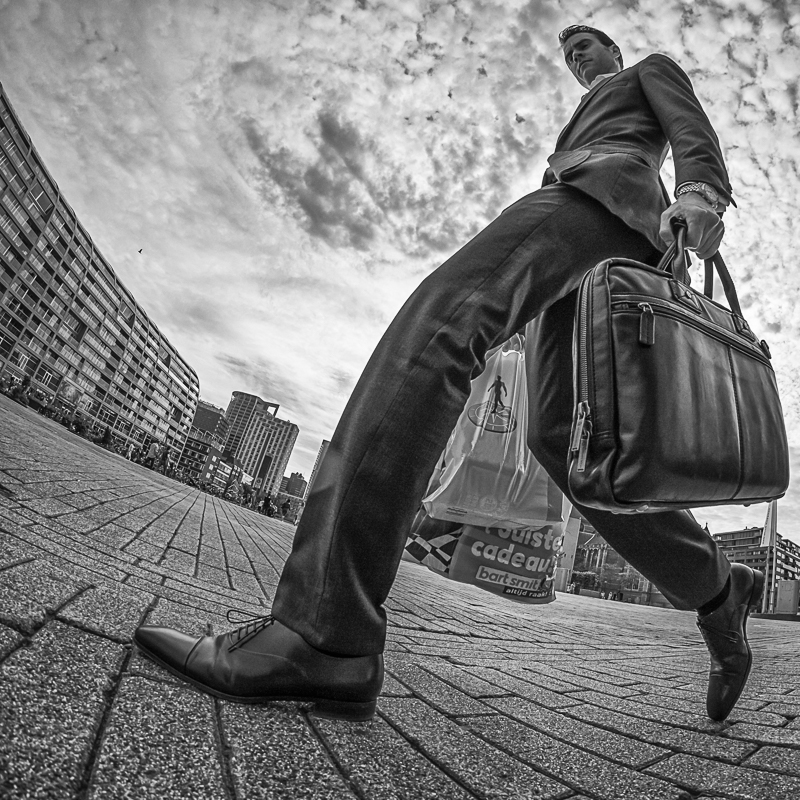
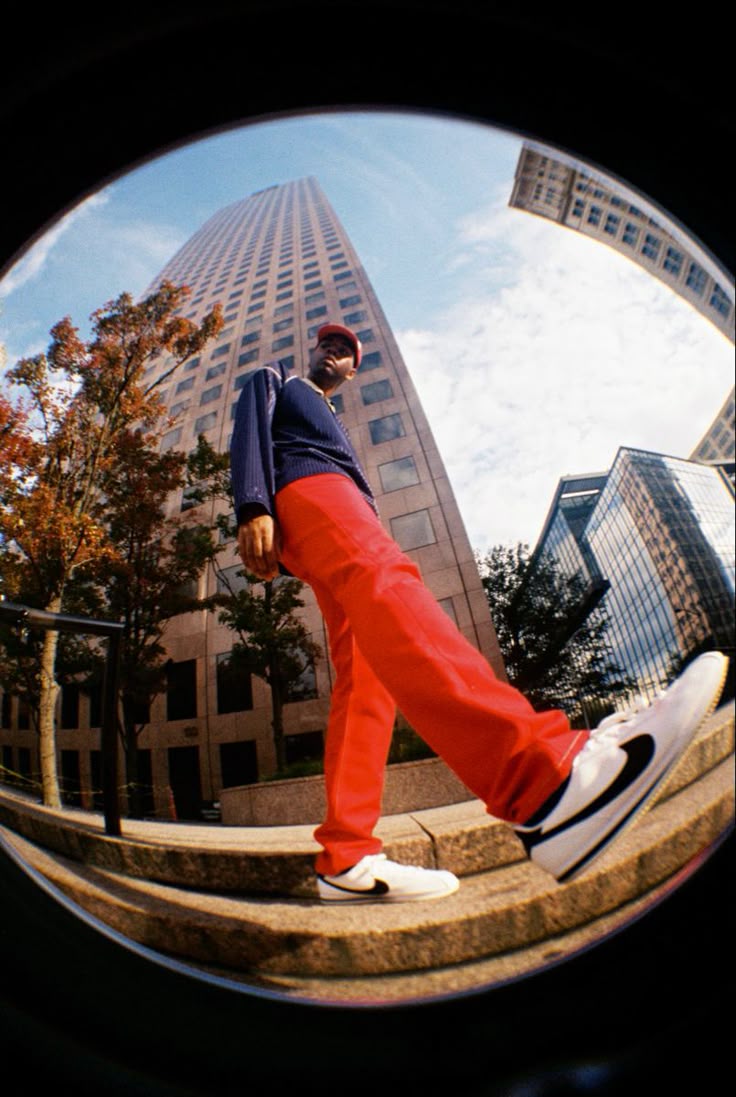
Fisheye lenses
Camcorder-style footage
Why? Because it feels real.
In a world of overproduction, imperfection signals authenticity.
Why This Is Happening Now
This revival isn’t random. It’s a response.
Today’s culture is:
Fast
Digital
Overstimulated
Highly curated
So people are reaching backward for:
Simpler visuals
Tangible experiences
Identity without pressure
The 90s and early 2000s offer a blueprint for that.




More Than Nostalgia—It’s a Cultural Reset
This isn’t just a trend cycle.It’s a shift in values.
People aren’t just dressing like the past—they’re reclaiming how the past felt:
Less filtered
Less performative
More present
And in doing so, they’re reshaping modern culture in a way that blends old energy with new awareness.
Final Thoughts
The comeback of 90s and early 2000s aesthetics isn’t about going backward.
It’s about taking pieces of a time that felt more human…and bringing them into a world that desperately needs that feeling again.
Because sometimes, the future doesn’t need something new—it just needs something real.
Here's a playlist to get you in the 90's/00's mood:




Comments