The Lost Art of Artist Development: Then vs. Now
- Jovon Pavielle

- Mar 28
- 3 min read
BY JOVON PAVIELLE
March 28, 2026

There was a time when becoming a successful artist wasn’t just about having a hit song—it was about becoming a fully realized performer, storyteller, and brand. This process, known as artist development, was once the backbone of the music industry.
Today, in an era dominated by virality and instant gratification, that system has largely faded. The question is: what have we gained—and what have we lost?
What Is Artist Development?
Artist development is the long-term process of shaping an artist’s identity, sound, performance skills, and career trajectory. Traditionally, record labels invested heavily in this process, often over several years, before expecting commercial success.
This included:
Vocal training and songwriting refinement
Stage presence and performance coaching
Image, branding, and media training
Careful rollout strategies for albums and singles
Mentorship from producers, executives, and industry veterans
Artists weren’t just discovered—they were built.

The Golden Era of Development
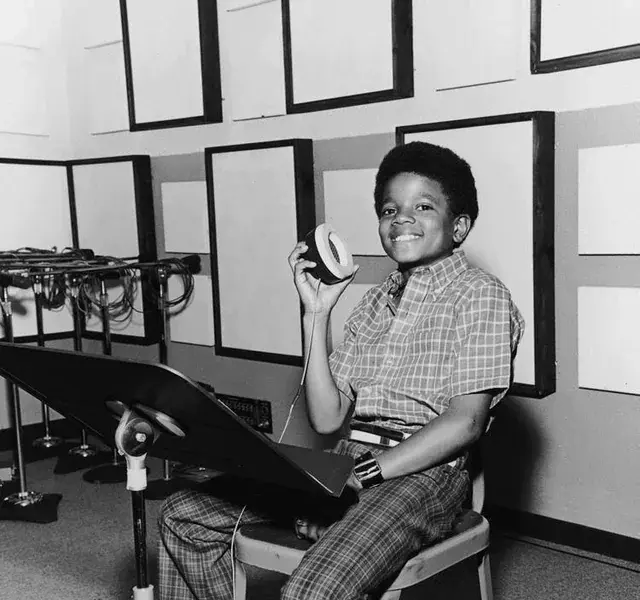
Take Michael Jackson, who evolved from a child star into one of the most polished performers in history through rigorous training and guidance. Or Whitney Houston, whose voice was extraordinary, but whose career was meticulously crafted by industry legend Clive Davis.
Even hip-hop, often seen as more raw and immediate, embraced development. Jay-Z honed his business acumen and lyrical precision over time, while Kanye West transitioned from producer to global artist with a carefully shaped vision.
Then there’s Beyoncé—arguably one of the best modern examples of traditional development. From Destiny’s Child to her solo career, every phase was intentional, refined, and elevated.
Today’s Landscape: Viral First, Development Later (If Ever)
In contrast, today’s industry often flips that model. Artists can explode overnight on platforms like TikTok or SoundCloud, gaining millions of listeners before they’ve ever performed live or developed a cohesive artistic identity.
Artists like Lil Nas X and Ice Spice rose quickly through viral moments. While both have shown growth, their early careers highlight how success can now precede development rather than follow it.
The Pros of Artist Development
Longevity
Artists who undergo development tend to have longer careers. They’re equipped to evolve with changing trends rather than be defined by a single hit.
Artistic Depth
Development fosters stronger songwriting, more cohesive albums, and a clearer artistic voice.
Performance Excellence
From stage presence to live vocals, developed artists are often far more compelling performers.
Brand Consistency
A well-developed artist understands their image and audience, leading to a more sustainable brand.
The Cons of Artist Development
Lack of Authenticity (Sometimes)
Heavy label involvement can lead to overly manufactured personas.
Slow Time to Market
In a fast-moving digital world, spending years developing an artist can feel outdated or risky.
High Investment Risk
Labels used to spend millions before seeing returns—something many are less willing to do today.
The Pros of Little to No Development
Authenticity and Rawness
Artists can present themselves exactly as they are, which resonates strongly with modern audiences.
Speed and Accessibility
Anyone can upload music and potentially reach millions overnight.
Creative Freedom
Without heavy label oversight, artists often have more control over their sound and image.
The Cons of Skipping Development
Short-Lived Careers
Many viral artists struggle to sustain momentum beyond their initial breakout.
Inconsistent Quality
Without guidance, music and branding can lack cohesion.
Weak Live Performances
Artists who haven’t been trained often struggle on stage, impacting their reputation.
Mental and Professional Unpreparedness
Sudden fame without preparation can lead to burnout, poor decision-making, or public missteps.

Finding the Balance
The modern music industry doesn’t necessarily need to return to the old system—but it does need to evolve. The most successful artists today often blend both worlds.
Artists like Billie Eilish and Doja Cat emerged in the digital era but still demonstrate strong artistic identity, performance skills, and strategic growth—suggesting that development hasn’t disappeared, it’s just changed form.

Conclusion
Artist development may no longer look like it did in the days of Aretha Franklin or Prince, but its core value remains undeniable. The industry today rewards speed, but audiences still crave substance.
The future likely belongs to artists who can go viral—and then evolve. Because while a moment can make you famous, it’s development that makes you timeless.




Love this!!!